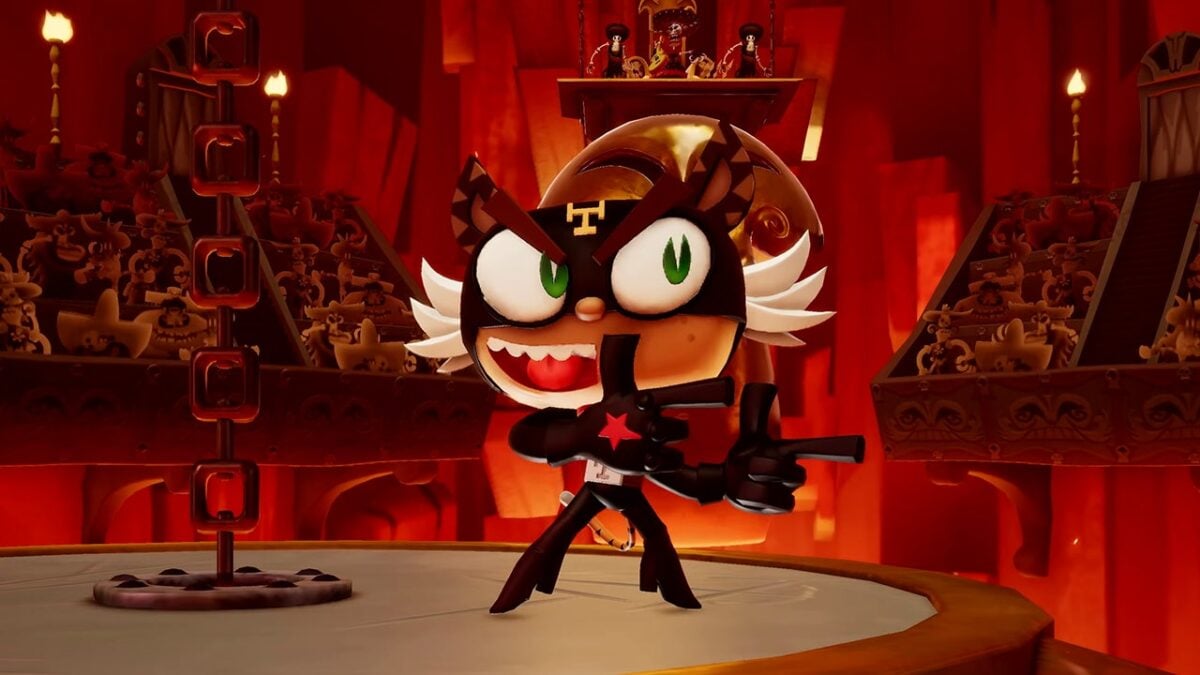
Editorial correction — November 11, 2026. Filmmaker Jorge R. Gutierrez, known for The Book of Life, El Tigre and Maya and the Three, said on May 29, 2026 that he was withdrawing from Amazon MGM Studios' generative-AI animation initiative and would not make the previously announced Punky Duck series. His decision came days after Amazon named the project among the first three shows in its GenAI Creators' Fund. That is a documented creator withdrawal, not evidence that Amazon canceled its entire AI initiative or that every associated show was shut down.
What was Amazon's GenAI Creators' Fund?
On May 27, 2026, Amazon MGM Studios and Amazon Web Services publicized an effort to help storytellers use generative AI during production. At an industry event called AI on the Lot, the company announced a GenAI Creators' Fund and described three planned animated series for Prime Video.
Variety's contemporary announcement and TheWrap's May 27 report identified the original slate:
- Punky Duck, associated with filmmaker Jorge R. Gutierrez.
- Love, Diana Music Hunters, associated with Albie Hecht and pocket.watch.
- Cupcake & Friends, from BuzzFeed Studios.
The initiative described support for proofs of concept and development, with the possibility of later production orders. The reports did not establish a premiere date for all three shows or disclose the exact grant amount for each creator.
The important context is that these were studio development and commissioning plans, not three already released complete seasons.
What did Jorge Gutierrez actually announce?
Gutierrez made a direct public statement on Friday, May 29, 2026, just days after the unveiling. Cartoon Brew reproduced his statement and linked to the original social-media post.
He said he had decided to leave Amazon's AI program and would not make a Punky Duck series. He also apologized to those he had upset and said his original intention had been to involve artists, both experienced and emerging, in guiding the use of new technology.
These are statements of his own decision and intentions. They are stronger evidence than secondary speculation that he was secretly fired, that a contract dispute had been established, or that Amazon had ordered him to withdraw.
As Cartoon Brew noted at the time, neither Gutierrez's exact private reasoning beyond his public statement nor Amazon's response to the departure had been fully detailed. Filling those gaps with dramatic assertions would mislead readers.
Why was the announcement controversial?
The criticism came from concerns that using generative AI in animation could reduce work for human artists, raise questions about the origin of training material, and undermine established production craft. Gutierrez is closely associated with highly stylized, artist-led projects, so his collaboration with a major AI program was especially visible.
Cartoon Brew's May 29 coverage described a strong backlash among creators and fans. The objections were not all identical: some criticized the technology itself, while others focused on compensation, consent, labor protections and how Amazon planned to use it.
A news report can document this debate without asserting that all animation workers unanimously rejected AI. Social-media reaction does not constitute a representative vote of the industry.
Likewise, controversy over a proposed series does not demonstrate that its human creators lacked artistic skill or that the company automatically intended to replace all artists.
Did Gutierrez say he opposed all AI tools?
His public statement does not establish a complete rejection of every AI use. He explained that he had hoped to feature and empower artists who could help shape how the technology was used. After the backlash, he chose to leave the particular Amazon project and expressed regret.
The distinction matters because a person's decision to exit a single program can reflect concerns about trust, execution, professional relationships or public reaction without settling their philosophy on all future technological tools.
Readers should avoid treating a short social statement as an exhaustive manifesto. The verified result was his withdrawal from the GenAI program and cancellation of his own Punky Duck involvement.
What was Punky Duck supposed to be?
The planned animated series was part of Amazon's initial three-show AI-supported slate. It would have featured Gutierrez as its associated creator, and the project was presented as an example of how the initiative might support new production workflows.
Those descriptions came from the initial Amazon-related announcement reported by TheWrap. They do not establish a finished television season, a full cast, an episode count, or a public release date.
After May 29, Gutierrez said unequivocally that he would not produce the show. That is the main status update available to GameLogNews in these cited reports. Whether Amazon might develop an unrelated replacement project is a different question and would require its own verified announcement.
What happened to the other Amazon shows?
The announcement also included Love, Diana Music Hunters and Cupcake & Friends. Their inclusion shows that Amazon's GenAI fund was broader than a single creator or title.
However, the original GameLogNews draft framed reactions around Cupcake & Friends as though allegations of character theft or copyright infringement had been established. The cited reporting does not substantiate a definitive court finding that this particular show infringed a protected work.
There may be legitimate public questions about copyright, licensing and the provenance of AI training datasets, but the accurate reporting standard is to identify specific, documented allegations and their evidence. General criticism of generative animation is not proof that every individual production unlawfully used someone's work.
This article therefore avoids treating the fund's full slate as canceled or legally discredited because one creator withdrew.
How does this connect to the games industry?
Animation techniques are used widely in videogame cutscenes, cinematics, trailers, character performances and marketing. The same concerns about training data, artist credit, consent and employment can arise when studios experiment with generative tools.
But videogame pipelines are not identical to long-form television production. The impact of AI can vary by task, studio and production model. Gutierrez's withdrawal is a useful case study in creator trust and public accountability, not a universal prediction that every game using AI will fail.
Creators can discuss transparency, human oversight and contract protections without exaggerating the legal status of a specific Amazon project. Similarly, fans can ask for disclosures about AI-produced content without assuming all affected workers were replaced.
Quick answers
Did Amazon announce Punky Duck in May 2026? Yes, it was part of the initial GenAI Creators' Fund slate.
Did Jorge Gutierrez withdraw? Yes, publicly on May 29, 2026.
Is Gutierrez still making Punky Duck? He said he would not make the series.
Did Amazon cancel its entire AI initiative? The cited reporting does not establish that.
Were the other two announced shows automatically canceled? No such conclusion follows from Gutierrez's decision.
Bottom line: The important May 2026 development was a documented creator departure after backlash to Amazon's AI-animation initiative. Its wider implications should be discussed with clear boundaries between what was announced, what was withdrawn and what remains uncertain.
Sources: Cartoon Brew's May 29 reporting reproducing the creator's statement; TheWrap's May 27 initial slate announcement; Variety's May 2026 report on Amazon's initiative.
Source date: May 31, 2026